Exploring Nutritional Foundations for Men's Well-being
Understanding the essential nutrients and food choices that support overall health and daily well-being

Key Macronutrients Explained
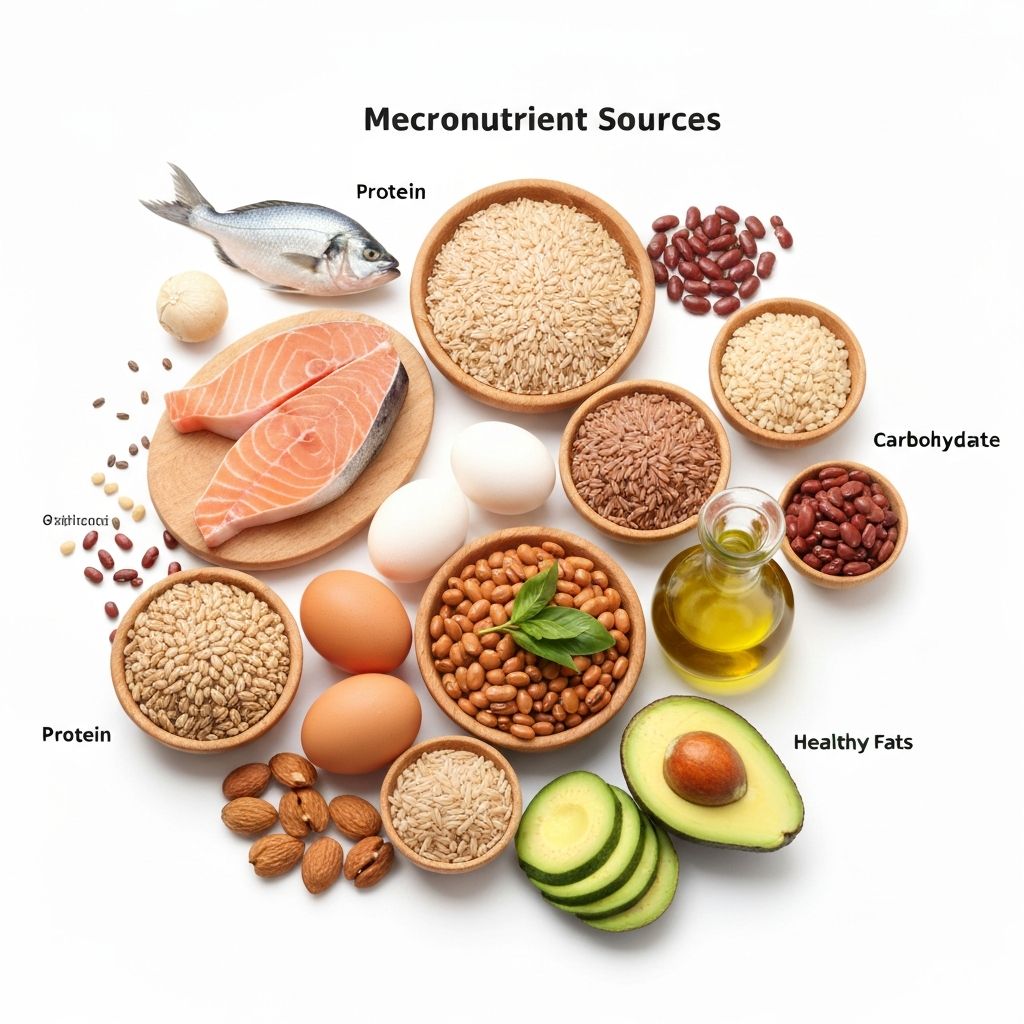
Macronutrients are the foundation of a balanced diet, providing the energy and building blocks your body needs. Understanding these three essential components helps you make informed choices about your daily nutrition.
Proteins
Proteins are composed of amino acids and play crucial roles in building and repairing tissues, producing enzymes and hormones, and supporting immune function. Quality protein sources include fish, chicken, eggs, legumes, nuts, and dairy products.
Carbohydrates
Carbohydrates are the body's primary source of energy. Complex carbohydrates found in whole grains, vegetables, and legumes provide sustained energy and are rich in fiber, supporting digestive health and stable blood sugar levels.
Healthy Fats
Fats are essential for hormone production, nutrient absorption, and brain function. Focus on sources like olive oil, avocados, nuts, seeds, and fatty fish, which provide beneficial unsaturated fats and omega-3 fatty acids.
Vital Vitamins and Minerals
Micronutrients, including vitamins and minerals, are vital for maintaining optimal health and supporting countless bodily processes. Each plays a specific and important role in supporting your overall well-being.
- B-Vitamins support energy metabolism and nervous system function
- Vitamin C aids immune function and collagen synthesis
- Vitamin D supports bone health and immune response
- Iron is essential for oxygen transport and energy production
- Zinc supports immune function and wound healing
- Magnesium contributes to muscle function and energy production
- Calcium is fundamental for bone structure and strength

The Power of Whole Foods

Whole foods—fruits, vegetables, whole grains, legumes, nuts, seeds, and unprocessed proteins—provide the most complete nutritional profile. Unlike processed foods, they contain their natural fiber, vitamins, minerals, and phytonutrients.
Benefits of Whole Food Focus
- Higher nutrient density compared to processed alternatives
- Natural fiber content supports digestive health
- Phytonutrients and antioxidants protect cellular health
- Sustained energy without rapid blood sugar spikes
- Greater satiety, supporting healthy eating patterns
Incorporating a variety of whole foods ensures diverse nutrient intake and supports overall wellness through different seasons and life stages.
Hydration: A Fundamental Principle
Water is essential for every bodily function—from regulating body temperature and transporting nutrients to supporting cognitive function and physical performance. Proper hydration is a cornerstone of well-being.
Daily Water Needs
Individual water requirements vary based on activity level, climate, and overall health. Listening to your body's thirst signals and monitoring urine color are practical ways to assess hydration.
Hydration and Energy
Even mild dehydration can affect energy levels, concentration, and physical performance. Consistent hydration supports sustained energy throughout the day.
Hydration Sources
While water is primary, fruits, vegetables, and beverages like herbal tea also contribute to daily fluid intake. Variety supports both hydration and nutrient intake.
Active Lifestyle and Diet Synergy
Physical activity and nutrition work together to support overall health and well-being. Regular movement—whether it's walking, jogging, strength training, or yoga—complements a nutritious diet, creating a synergistic effect.
How Activity and Nutrition Support Each Other
- Exercise supports muscle maintenance, bone health, and cardiovascular function
- Proper nutrition fuels physical activity and supports recovery
- Regular movement enhances nutrient utilization and circulation
- Combined practices support sustained energy and mental clarity
- Together they promote better sleep quality and overall well-being
Finding activities you enjoy—whether outdoor activities, sports, or gym training—makes consistency easier and more sustainable as a lifestyle practice.

Dietary Patterns Overview
Around the world, different cultures have developed diverse approaches to eating that emphasize whole foods and balanced nutrition. Understanding these patterns provides perspective on what healthy eating can look like.
| Dietary Pattern | Key Characteristics | Primary Foods |
|---|---|---|
| Mediterranean | Emphasizes plant-based foods, healthy fats, and moderate protein | Olive oil, vegetables, whole grains, fish, legumes |
| Asian | Plant-forward with balanced use of grains, vegetables, and proteins | Rice, vegetables, legumes, soy products, fish |
| Nordic | Whole grains, seasonal vegetables, fish, and berries | Whole grains, fish, root vegetables, berries |
| DASH | Nutritionally balanced approach developed for general wellness | Fruits, vegetables, whole grains, lean proteins, low-fat dairy |
Understanding Food Labels
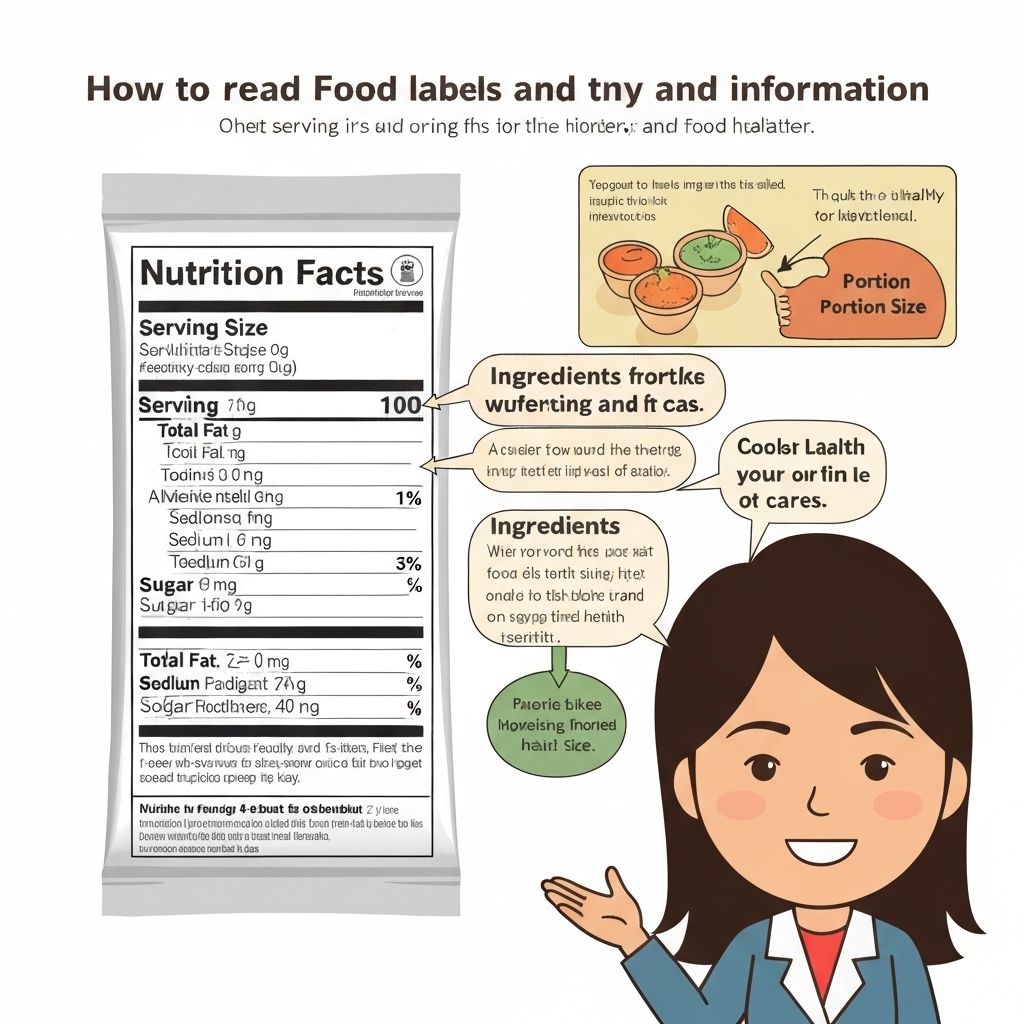
Food labels provide valuable information to help you make informed choices about what you eat. Understanding how to read and interpret nutritional information empowers you to align your food choices with your nutritional goals.
Key Label Components
- Serving Size: The reference amount used for all nutritional values
- Calories: Total energy content per serving
- Macronutrients: Breakdown of proteins, carbohydrates, and fats
- Micronutrients: Vitamins and minerals expressed as percentage of daily values
- Ingredients: Listed in order of weight, from most to least
- Allergen Information: Important for identifying potential sensitivities
Taking time to review labels helps you understand nutritional density and make choices that support your overall eating patterns.
Digestive Health Through Fiber
Dietary fiber is an essential component of a balanced diet, supporting digestive health and contributing to overall well-being. It plays important roles in nutrient absorption, energy regulation, and maintaining healthy digestive function.
Types of Fiber
Soluble fiber found in oats, apples, and legumes helps with nutrient absorption. Insoluble fiber from whole grains and vegetables supports digestive movement and regularity.
Natural Fiber Sources
Vegetables, fruits, whole grains, legumes, nuts, and seeds all provide dietary fiber. A variety of sources ensures diverse fiber types and additional nutritional benefits.
Gradual Increase
When increasing fiber intake, gradual changes with adequate water intake support your digestive system in adjusting smoothly to higher fiber consumption.
Antioxidants in Your Diet

Antioxidants are natural compounds found in plant-based foods that help protect cells from oxidative stress. They are abundant in colorful fruits, vegetables, and other whole plant foods.
Antioxidant-Rich Foods
- Berries (blueberries, strawberries, raspberries)
- Dark leafy greens (spinach, kale, arugula)
- Colorful vegetables (bell peppers, tomatoes, carrots)
- Nuts and seeds (almonds, walnuts, sunflower seeds)
- Dark chocolate and cocoa
- Green and herbal teas
- Spices like turmeric and cinnamon
Including a variety of colorful foods in your diet naturally ensures diverse antioxidant intake, supporting your body's natural protective mechanisms.
Fueling for Daily Energy
The food you eat is your body's primary fuel source. Understanding how to properly fuel your body throughout the day supports sustained energy, mental clarity, and physical performance in daily activities.
Balanced Energy Support
- Complex carbohydrates provide sustained glucose release for steady energy
- Protein supports satiety and muscle maintenance
- Healthy fats are essential for hormone production and nutrient absorption
- Regular eating patterns help maintain stable blood sugar levels
- Including micronutrient-dense foods supports metabolic efficiency
Practical Energy Strategies
Spacing meals appropriately, including balanced macronutrients at each meal, and staying hydrated are practical approaches to supporting consistent daily energy without relying on quick-fix solutions.

Limitations and Context
The information presented on this page is for educational purposes only. It is not intended to provide medical advice, diagnosis, or treatment. Individual nutritional needs vary considerably based on genetics, age, activity level, health status, and personal goals.
Dietary approaches should be tailored to your individual circumstances. If you have specific health concerns or are considering significant dietary changes, consulting with qualified healthcare professionals or registered dietitians is recommended. This content does not replace professional medical or nutritional guidance.
Continue Your Journey into Nutritional Knowledge
Nutritional knowledge is a foundation for making informed choices about your daily life. Explore specific topics through our additional resources and sections.
Explore More Content